

How Saudi Vision 2030 Is Driving Digital Transformation and the IT Challenges Behind It
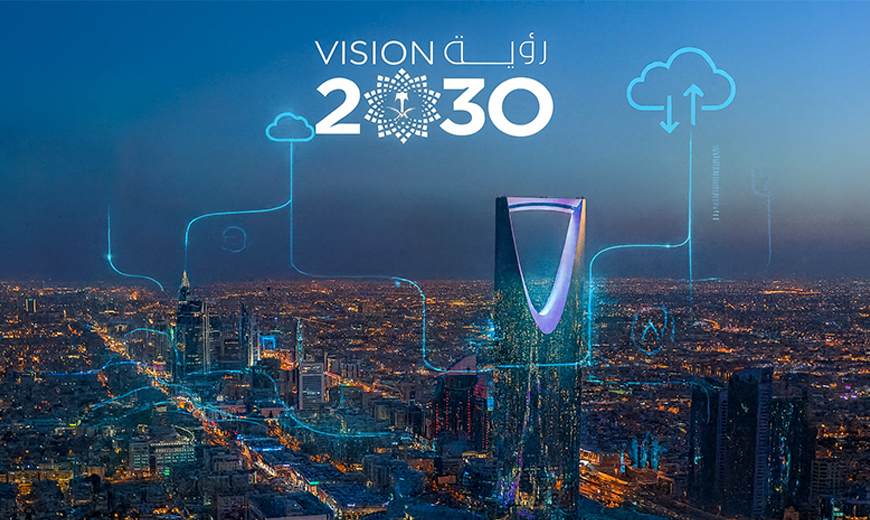
Saudi Arabia is changing fast. Vision 2030, the country’s big plan to grow beyond oil, is transforming how the Kingdom works from healthcare and education to banking and government. Technology is right at the centre of it all.
Billions of riyals are being poured into smart cities, cloud infrastructure, and digital services. It is an exciting time. But for businesses and IT teams on the ground, the reality is more complex. Old systems, rising security threats, and a shortage of skilled staff are making the journey harder than the headlines suggest.
Here is a look at where Vision 2030 is heading digitally and the real IT challenges that come with it.
Where Technology Fits Into Vision 2030
Vision 2030 is not just a technology plan; it is about building a stronger, more diverse economy. But nearly every part of it depends on digital tools to work. Here are the key areas:
- Smart Cities and Large-Scale Digital Infrastructure
Saudi Arabia continues to invest heavily in smart city initiatives and large-scale infrastructure projects designed to improve urban living and economic diversification. These initiatives rely on advanced technologies such as IoT, AI, and real-time data systems.
From an IT perspective, this requires highly resilient network architecture, seamless data integration, and strong cybersecurity frameworks to support large volumes of connected devices and services.
- Digital Government Services
The government wants citizens to do everything online, from renewing documents to accessing health records. That means years of legacy back-end systems need upgrading and connecting to modern digital platforms. Expert IT infrastructure support is essential to making that happen without disruption.
- Banking and Fintech
Saudi banks are under pressure to modernise quickly. New fintech companies are entering the market, and customers want faster, easier digital services. Saudi Arabia is also implementing e-invoicing (ZATCA) requirements, adding further pressure on organisations to modernise their systems. Many banks and businesses still run on legacy systems that were never built for this kind of compliance or connectivity.
- Healthcare and Education
Hospitals are moving to digital health records and telemedicine. Schools and universities are going online. Both sectors need secure, connected systems to share data safely and that requires strong network and infrastructure services to underpin it all.
The IT Challenges No One Talks About
Going digital is more than just purchasing new software. It involves integrating years of disconnected systems, addressing skills gaps, and ensuring security throughout the process.
- Old Systems That Do Not Connect
Many large companies in Saudi Arabia especially in banking and government still use older software that was never designed to work with modern cloud platforms or MuleSoft integration. Replacing these systems completely is expensive and risky. The smarter approach is to connect them using MuleSoft integration services, allowing data to flow between old and new systems without a full rebuild. As one of the leading MuleSoft integration partners in UAE and MENA, Ethic IT helps organisations do exactly this.
- Growing Cybersecurity Risks
As businesses go more digital, they also become bigger targets for hackers. Saudi Arabia sees a high number of cyberattacks each year, and the risk grows as more systems come online. The most common problems include:
- Cloud environments that are set up incorrectly and left exposed
- Weak controls over who can access which data
- Software that has not been updated or patched
- No one monitoring systems round the clock for threats
Having a firewall is no longer enough. Businesses need active monitoring, fast response to incidents, and a proper security partner they can trust.
- Cloud Without a Clear Plan
Many organisations are moving some things to the cloud but keeping others on old servers without a clear strategy for either. This creates confusion, extra costs, and security gaps. Moving to the cloud works best when there is a proper plan for how data will be stored, who can access it, and how it will be kept safe.
- Not Enough Skilled People
The demand for cloud engineers, MuleSoft specialists, cybersecurity experts, and integration developers in Saudi Arabia is growing much faster than the available talent. This delays projects and adds up cost. Partnering with a specialist IT company, one with partner virtualisation capabilities and regional delivery experience, helps fill those gaps without slowing down transformation goals.
The Bottom Line
Vision 2030 is a real and exciting opportunity for Saudi Arabia and for the businesses operating in the region. The investment is there. The intent is clear. But getting the IT foundations right is what will make or break the transformation.
From MuleSoft integration and UCaaS solutions to cloud strategy and network infrastructure support, the building blocks need to be in place before the bigger ambitions can be realised.
The question is not whether to go digital, it is whether you have the right partner to do it properly.
Need help with your digital transformation in KSA or the wider GCC?
Ethic IT is a digital transformation company with offices in Dubai and presence across UAE, KSA, Qatar, and Oman. As premium MuleSoft integration partners in UAE and a trusted cybersecurity and UCaaS provider across MENA, we help organisations connect systems, secure data, and build the IT infrastructure their ambitions demand.
Get in touch: ethic-it.com/contacts | sales_mena@ethic-it.com